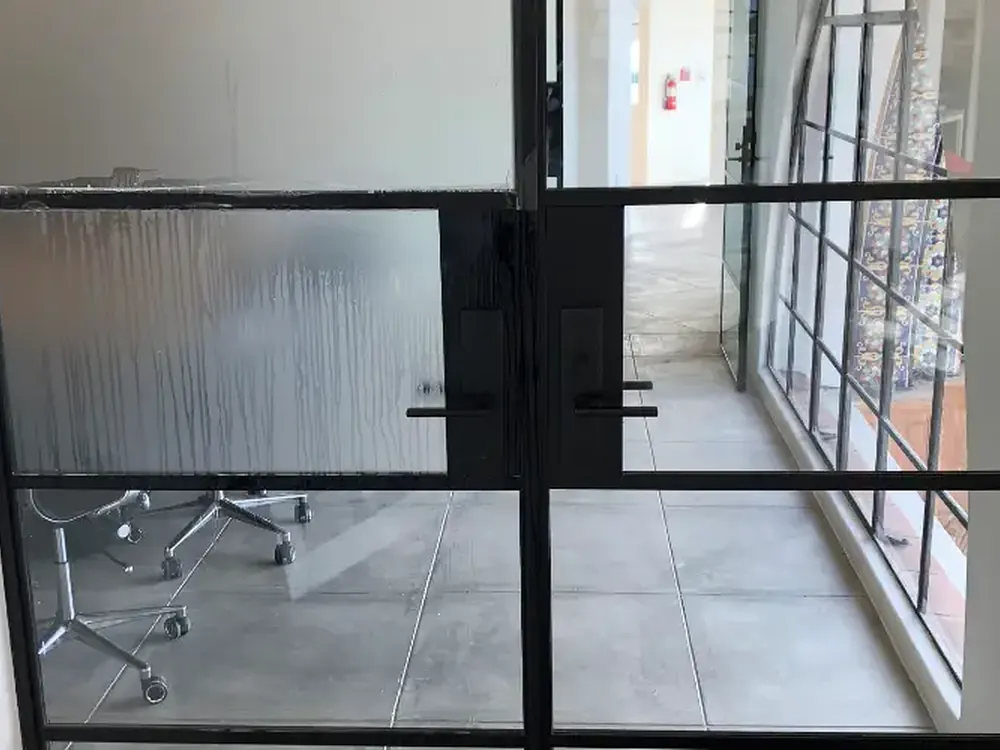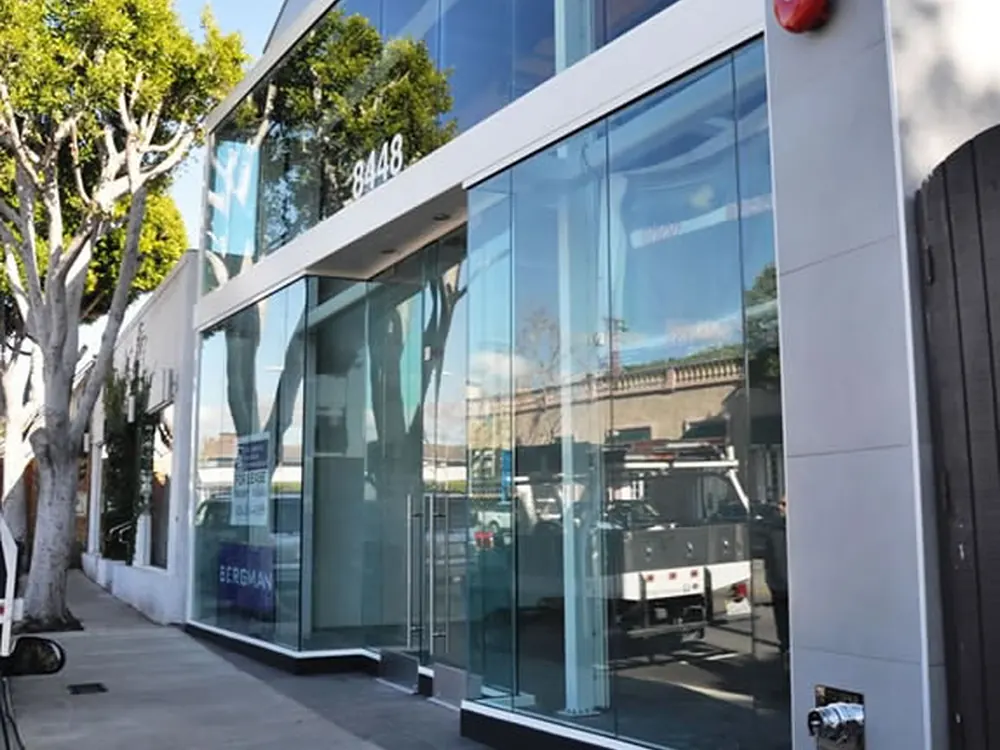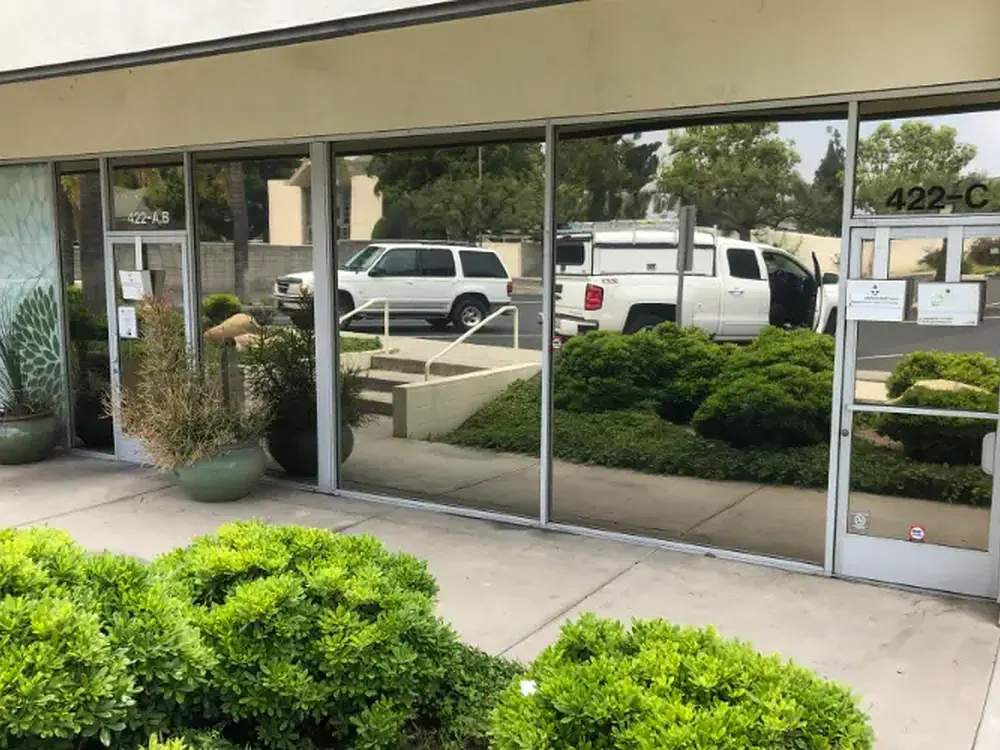
The sawtooth roof is the signature of a converted industrial building and one of the best daylighting devices ever built. It was also designed for a factory floor with no air conditioning and no people sitting still at desks, which is why it behaves so badly in the buildings it now serves.
What it was designed to do
Sawtooth and monitor roofs solved a real problem: getting even, glare-free daylight deep into a large-footprint building before electric lighting was reliable or cheap. The angled glazing typically faces north, which delivers consistent indirect light through the working day without direct sun tracking across the floor.
It's genuinely elegant engineering, and where the glazing really does face north it still works well. The trouble is that a great many of these buildings were oriented to the street grid or the rail line rather than to the sun, so a substantial number of sawtooth bays end up facing anywhere but north.
Why overhead glazing is the worst case
Overhead and steeply sloped glazing takes the sun closer to perpendicular than any vertical window does, and solar transmission through glass is highest at that angle. That makes roof glazing the hottest square footage in the building by a wide margin.
Below it you get a hot spot that moves through the day, glare that's difficult to shade because the source is above the sightline, and a fade stripe tracking across the floor and furnishings. In a converted building now full of people, monitors, and equipment, that's a considerably bigger problem than it was for a factory floor.
What film does about it
Solar film on overhead glazing tends to produce the most dramatic before-and-after of anything we install. The heat drops, the glare becomes manageable, and 99% of the UV stops at the glass so the fade line stops advancing.
The specification is different from vertical glazing though. Overhead glass sees more extreme temperatures and more thermal cycling, and the material is frequently not glass at all — many roof lights are acrylic or polycarbonate, which a standard glass film can craze or delaminate. Establishing the material before specifying is not optional here.
- Confirm the glazing material — glass, acrylic, or polycarbonate — before any film is proposed.
- Wired and laminated glass, both common in industrial roofs, have their own compatibility constraints.
- Safety laminate should be considered anywhere glazing sits above an occupied space.
- Access and staging is a significant part of the cost; make sure it's in the quote rather than a variation.
The safety argument leads overhead
There's a consideration with roof glazing that doesn't apply to a window: it can fall on someone. Original industrial roof glazing is frequently old, sometimes wired glass, and not necessarily what current standards would require above an occupied floor.
A safety laminate holds a broken pane together rather than letting it come down into the space below. Where the glazing is genuinely original, that argument tends to carry the project on its own, with the heat and glare benefits as the bonus rather than the headline.
Treat the bays that need it
Not every bay is a problem. Genuinely north-facing sawtooth glazing is doing exactly what it was designed to do and generally doesn't want treating at all — filming it costs daylight for no benefit.
We survey bay by bay and orientation by orientation, which usually results in a proposal covering a fraction of the roof. If you'd like an assessment that identifies which bays are actually causing the heat and which are fine, get in touch and we'll survey it at no cost.